The Best Commercial Kitchen Flooring Brisbane
March 6, 2025
Epoxy Flooring in Brisbane for Businesses:
August 11, 2025
Workspace epoxy flooring offers a tough, long-lasting surface designed to handle the demands of busy industrial and commercial environments.
With its sleek finish, resistance to wear and spills, and low maintenance needs, epoxy is a smart choice for anyone looking to upgrade their workspace with a clean and
professional look.
Why Workshop Epoxy Floor Coating Is a Right Step towards better flooring ?
Unmatched Durability for Industrial-Grade Demands
Epoxy floor coatings are engineered to meet the rigorous demands of Australian workshops, where durability is not just a preference it’s a necessity.
These coatings form a hardened, seamless surface that resists impact from dropped tools, constant foot traffic, and the weight of heavy machinery such as hydraulic lifts and tool trolleys.
Unlike traditional concrete floors that can chip, crack, or erode over time, epoxy flooring maintains its integrity even under extreme mechanical stress.
This resilience is especially valuable in automotive and mechanical workshops, where daily operations involve intense physical activity and equipment movement.
By reducing the frequency of repairs and resurfacing, epoxy coatings offer workshop owners a long-term flooring solution that stands up to years of wear and tear.
Benefits Of Workshop Epoxy Floor Coating Brisbane
Chemical, Oil, and Stain Resistance for a Cleaner, Safer Space
Workshops are often exposed to a cocktail of chemicals engine oil, brake fluid, coolant, degreasers, and more.
Epoxy coatings provide a non-porous, impermeable surface that resists absorption and staining from these substances.
This means spills can be cleaned up quickly without leaving behind unsightly marks or compromising the floor’s structural integrity.
In addition to preserving aesthetics, this chemical resistance contributes to a safer working environment by reducing the risk of slip hazards and contamination.
Some epoxy systems can even be customized for enhanced slip resistance, further improving safety for staff and clients.
For workshops that prioritize hygiene and compliance with safety standards, epoxy flooring is a smart and practical choice.
Fast Installation and Minimal Downtime for Business Continuity
Time is money especially in busy Australian workshops where every hour of downtime can impact revenue.
One of the standout advantages of modern epoxy systems, particularly polyaspartic coatings, is their rapid curing time.
These advanced formulations allow foot traffic within three hours and vehicle access within twenty-four hours.
This swift turnaround minimizes disruption to business operations, enabling workshop owners to upgrade their flooring without sacrificing productivity.
Professional installers often work around business schedules, completing projects during off-hours or weekends to ensure seamless transitions.
Compared to traditional flooring options that may require days of drying or curing, epoxy coatings offer a fast, efficient solution that keeps your workshop running smoothly.
Long-Term Cost Savings and Financial Efficiency
While the upfront cost of epoxy flooring may vary depending on the coating type, floor condition, and desired finish, the long-term financial benefits are substantial.
Basic epoxy systems typically range from $25 to $35 per square meter, while industrial-grade or decorative options can cost between $75 and $100 per square meter.
Despite this initial investment, epoxy flooring pays off through reduced maintenance, fewer repairs, and extended lifespan. Its resistance to damage and ease of cleaning mean lower labor costs and fewer disruptions over time.
For workshop owners looking to maximize their return on investment, epoxy flooring offers a compelling blend of affordability and performance that outpaces many traditional alternatives.
Customization and Professional Aesthetics for Brand Impact
Functionality aside, epoxy flooring also delivers on style.
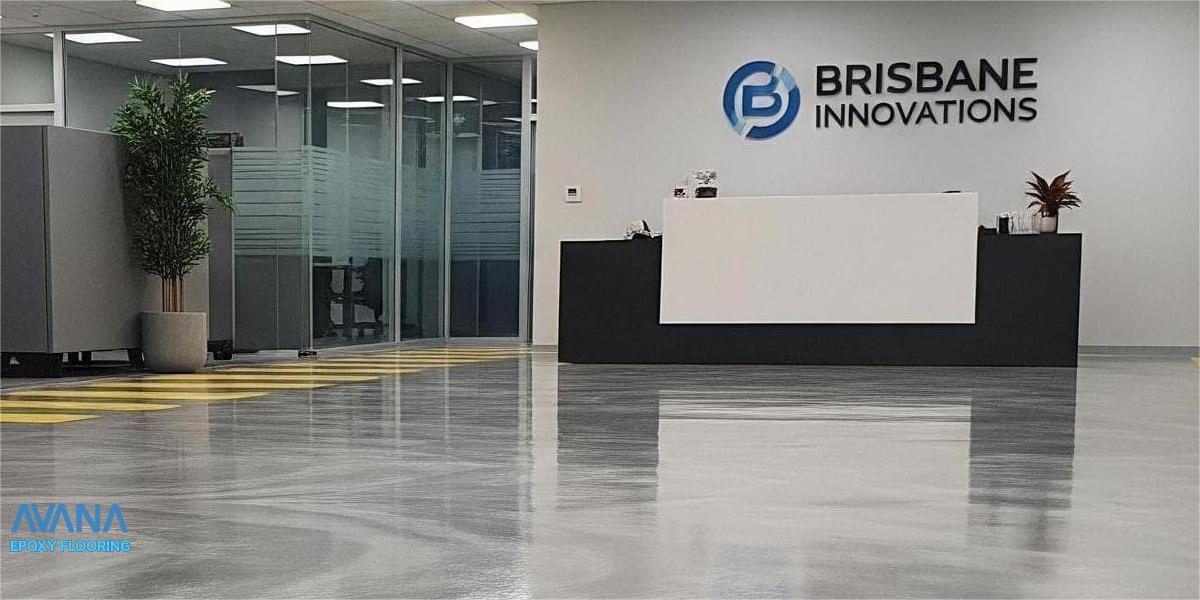
Available in a wide array of colours, patterns, and finishes including metallic sheens, decorative flakes, and matte or glossy textures epoxy coatings allow workshop owners to create a space that reflects their brand identity or personal taste.
A well-designed floor can elevate the overall look of the workshop, making it more inviting for employees and impressive to clients.
In industries where presentation matters, such as automotive detailing or custom fabrication, a clean and visually appealing workspace can enhance credibility and customer trust. Customization also extends to safety features, with colour-coded zones or markings that improve workflow and hazard awareness.
Types of Epoxy for Workshop Use :
Solvent-Based Epoxy
- Durable and chemical-resistant
- Ideal for industrial or high-traffic workshops
- Strong odor during application , requires good ventilation
- Long-lasting but needs professional handling due to VOCs
Water-Based Epoxy
- Easier and safer to apply (low VOCs)
- Good for DIY workshop floors
- Less durable than solvent-based, but still strong
- Suitable for light to moderate use workshops
100% Solid Epoxy
- Highest performance option , ultra-durable
- No solvents or water , pure resin and hardener
- Thick, professional-grade coating
- Cures quickly and resists heavy loads, stains, and chemicals
Self-Leveling Epoxy
- Flows smoothly to create a flat, seamless finish
- Ideal for uneven or damaged concrete floors
- Often used in workshops needing a clean, polished look
Epoxy Mortar Systems
- Ultra-strong mixture of epoxy and sand/quartz
- Excellent for repairing cracks or damaged flooring
- Best for industrial or heavy-duty workshops
Metallic Epoxy
- Decorative, high-gloss finish with 3D effects
- More aesthetic than functional, but still durable
- Good for showrooms or high-end garages/workshops
Anti-Static Epoxy
- Designed for electronics workshops or labs
- Prevents electrostatic discharge (ESD)
- Used in sensitive environments with electronic equipment

Best Safety Tips for Working with Epoxy :
Working with epoxy in a workshop setting requires careful attention to safety, especially during mixing and application.
Epoxy resins and hardeners contain chemicals that can cause skin irritation, respiratory issues, or allergic reactions if not handled properly.
Before beginning any epoxy project, always read the product’s safety data sheet (SDS) and follow the manufacturer’s instructions closely.
Prepare your workspace by removing flammable materials, ensuring it’s well-ventilated, and setting up all necessary tools in advance.
One of the most important precautions is wearing the right personal protective equipment (PPE).
Gloves made of nitrile or chemical-resistant rubber are essential to avoid skin contact with the resin or hardener.
Long sleeves, safety goggles, and a disposable or reusable respirator with organic vapor filters are strongly recommended, especially in enclosed or poorly ventilated workshops.
Some epoxy fumes may not have a strong odor, but they can still pose health risks , don’t rely on your sense of smell as a safety measure.
Proper ventilation is crucial to reduce your exposure to fumes and ensure a safe working environment.
Open windows and use exhaust fans to direct fumes away from your workspace.
If you’re working indoors for an extended time, consider using a fume hood or portable extraction system.
Even water-based or low-VOC epoxy products can release irritating vapors that accumulate without adequate air circulation.
Mixing epoxy also carries its own set of hazards.
Always mix in a clean container using the correct ratios of resin to hardener never guess the proportions, as improper mixing can cause unsafe chemical reactions or a failed cure.
Avoid creating dust when sanding cured epoxy, as fine particles can irritate your lungs or cause skin issues.
Use a dust mask or respirator rated for fine particles, and clean your workspace thoroughly after any sanding or grinding tasks.
Finally, always dispose of epoxy waste responsibly.
Never pour leftover resin or hardener down the drain or into regular trash without following local hazardous waste disposal guidelines.
Let any mixed leftovers cure fully before discarding, and store chemicals in clearly labeled containers, away from heat or open flame.
Being safety-conscious when using epoxy isn’t just good practice, it’s essential for protecting your health and ensuring the success of your workshop projects.
Conclusion :
Epoxy is a powerful solution for workshop floors, offering durability, chemical resistance, and a clean finish.
With various types available from water-based to industrial-grade it’s important to choose the right one for your needs.
Proper preparation, application, and safety precautions are key to getting the best results.
When used correctly, epoxy can significantly extend the life and functionality of your workshop surfaces.
let us company you with AVA epoxy .